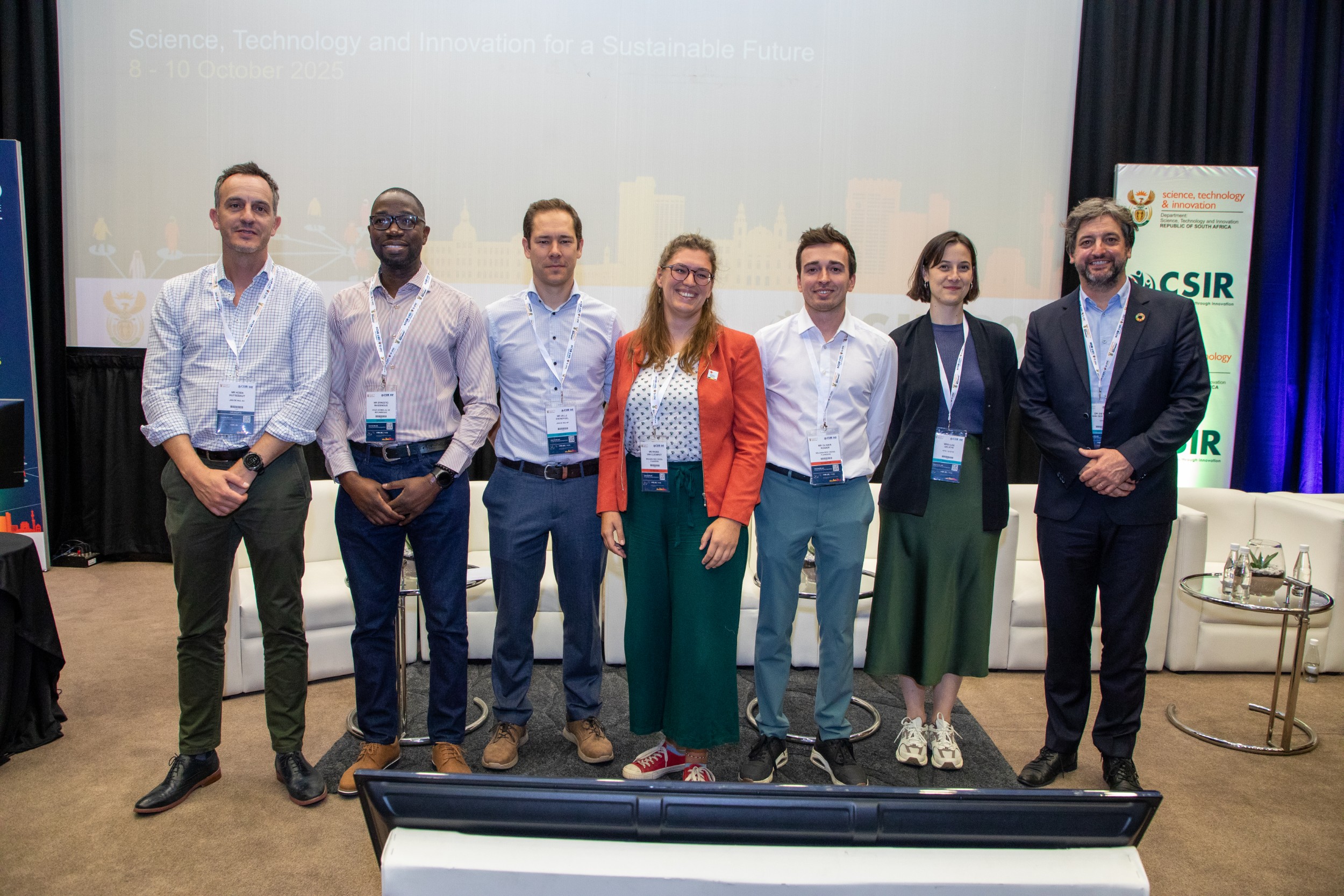
VIKAP at G-STIC Pretoria: from projects to scale
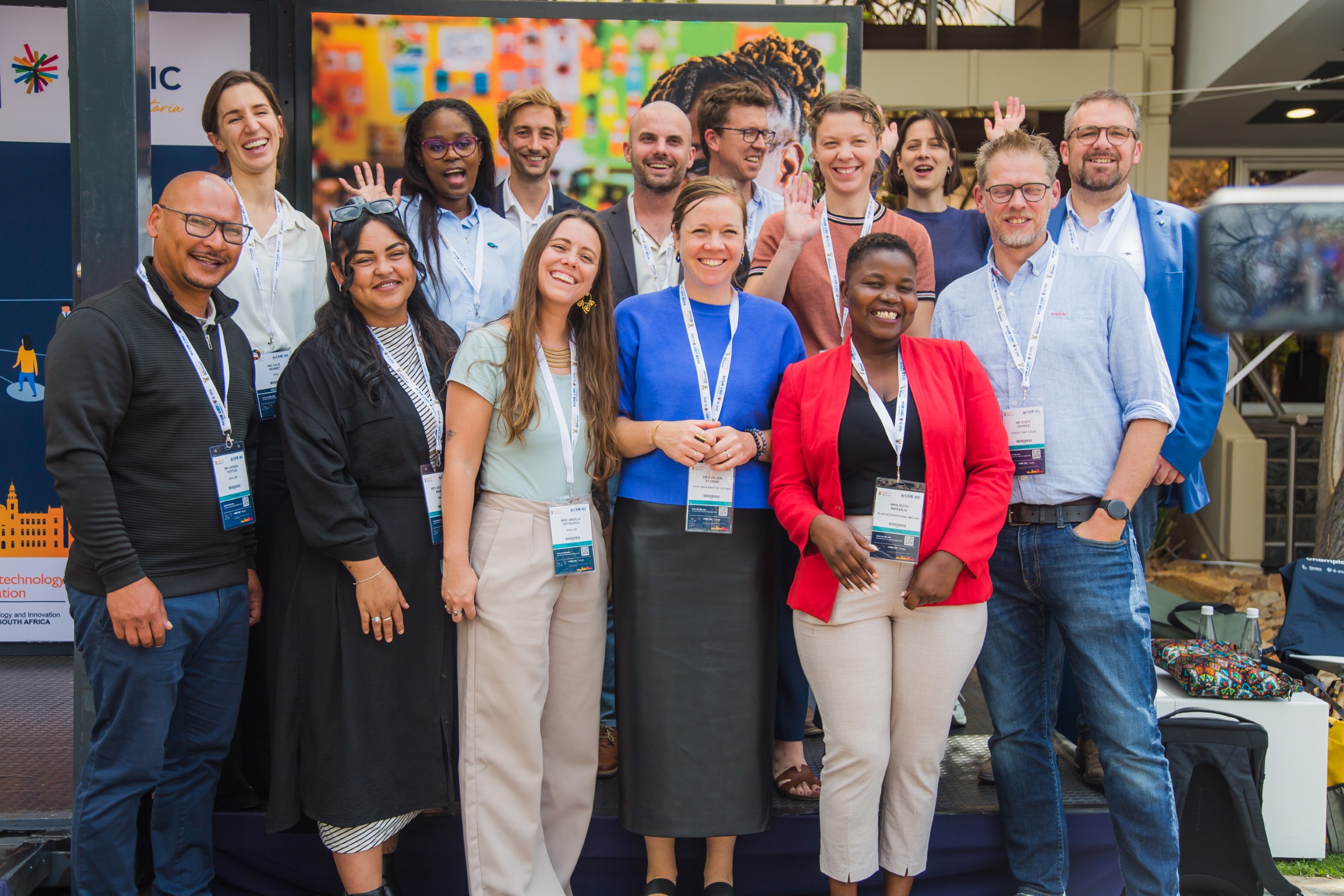
Showcasing concrete climate solutions with global relevance
G-STIC Pretoria (2025) was a key moment for Flanders International Climate Action Programme (VIKAP). The conference offered VIKAP partners a global platform to present their groundbreaking ideas, running climate projects and to discuss how these solutions can move beyond pilots and local contexts.
Rather than abstract concepts, VIKAP organisations brought concrete results to the stage: tools in use, communities engaged, and solutions already delivering impact. Across sections, workshops, techtalks and the exhibition floor, one message stood out: climate solutions work when technology, local knowledge and long-term capacity building come together.
A diverse VIKAP presence with practical experience
VIKAP partners from across the ecosystem took part, including NGOs such as VVOB, Flanders Red Cross, Abalobi, GreenMatter, Rikolto and Plan International; SMEs like Nazka Mapps, BOSAQ, Irritech and Turbulent; private sector actors including Jan De Nul and research institutions such as VITO and KU Leuven.
They engaged directly with policymakers, researchers, investors and innovation leaders, sharing lessons learned from implementation, not just ambition. These exchanges highlighted what defines the VIKAP approach: combining climate innovation with community-driven action and looking beyond traditional silos to enable scale in climate impact.
What VIKAP brought to the table: key takeaways
1. Sustainable climate technology works when it strengthens local knowledge
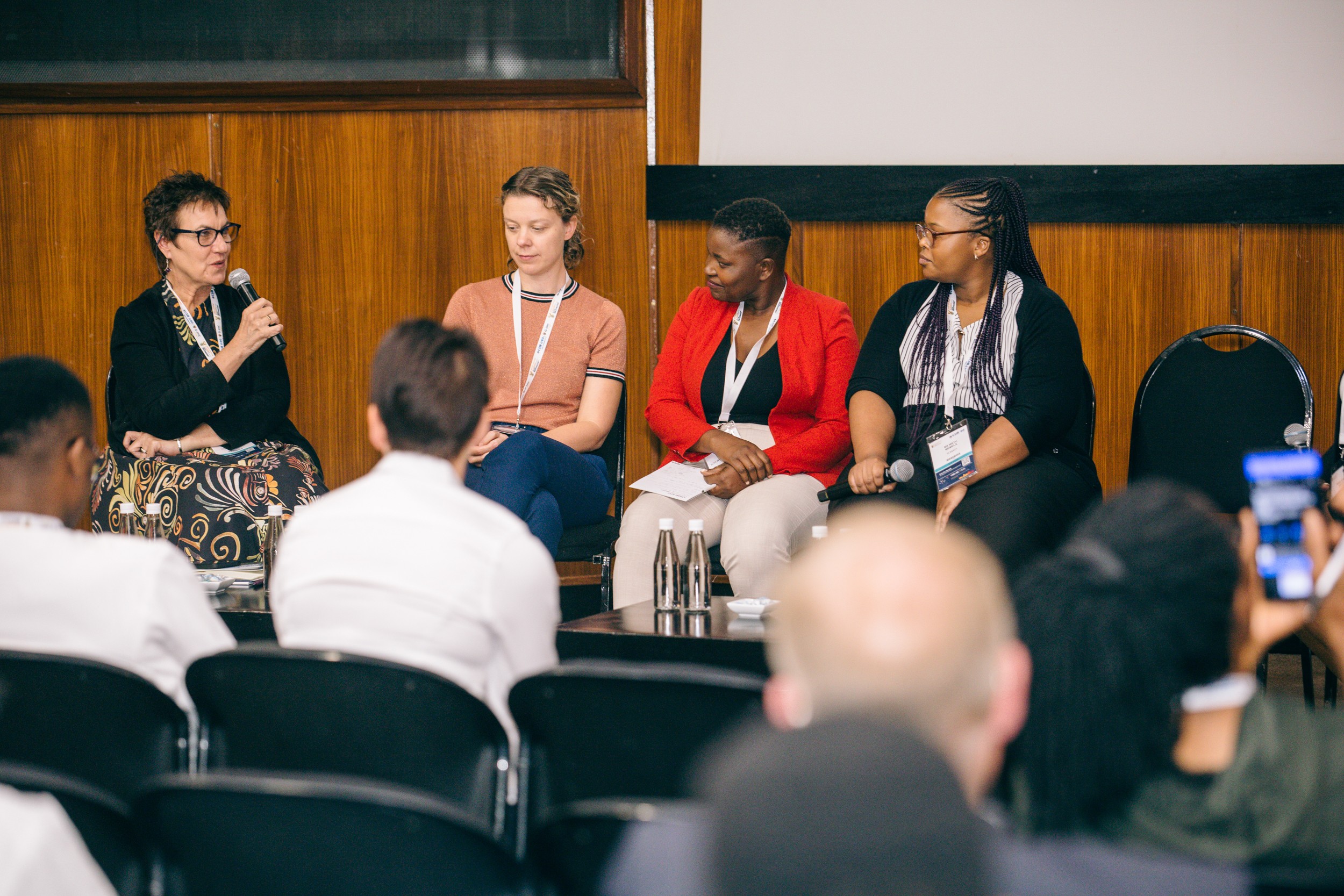
The most effective solutions combine science, digital tools and lived experience. Insights from the HIVA-Leuven and Abalobi workshop for example showed that simple, low-tech tools - such as WhatsApp-based reporting - can outperform complex systems. Impact comes from technology that builds on local knowledge, not from replacing it.
2. Community leadership delivers fast and better results
Projects move faster and become more resilient when communities lead design and implementation. The Red Cross session demonstrated how community-led climate disaster preparedness results in quicker, better-coordinated and more relevant action on the ground during their presentation on community response strategies.
3. Capacity building is the real long-term investment
Sustainable impact depends on continuous skills development and strong local institutions. Turbulent and Rikolto stressed that building local capacity for system maintenance increases ownership and resilience. Technology delivers results only when people and institutions are strengthened alongside it.
4. Many pilots are ready to scale now
G-STIC Pretoria showed that many climate projects have moved beyond pilots. What they need next are the right partnerships, financing and policy alignment. Jan De Nul’s mangrove restoration project in Ecuador illustrated how a proven nature-based solution can scale rapidly when these conditions are in place.
5. Scaling climate action goed beyond technology
Across energy and water sessions, one message was clear: technical performance alone is not enough. Projects scale when they align with local realities, embed long-term governance, and strengthen local economies. Successful scale-up combines technology with finance, policy and ownership models.
6. Combining Big Data with lived experience leads to better decisions
The RESPIRA project (KU Leuven) showed how combining Big Data - such as low-cost air quality sensors and AI-driven analytics - with citizen input leads to better insights on climate impact. This approach captures not only pollution levels, but also exposure, context and impact, resulting in more inclusive, trusted and actionable interventions.
Voices from the VIKAP community
“It was a great honour to connect with bright minds shaping a better tomorrow — from private companies to NGOs, everyone adds value. Good to see policymakers, scientists and implementers on the same level. Let’s reach the SDGs together.”
– Red Cross Flanders
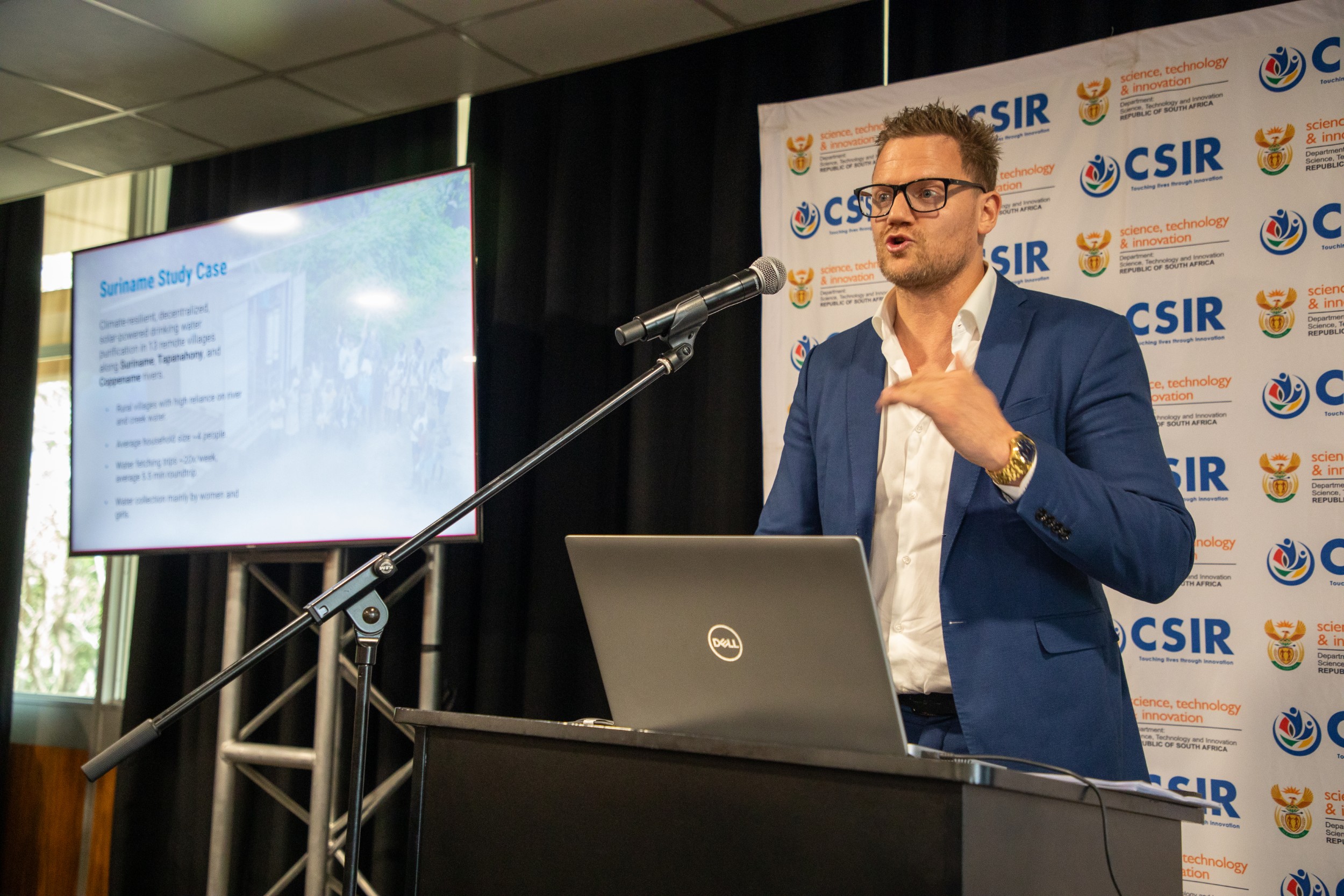
“Real and executed projects are shown here, like our decentralised drinking water systems in Suriname. This is how real solutions reach the people who need them most.”
– BOSAQ