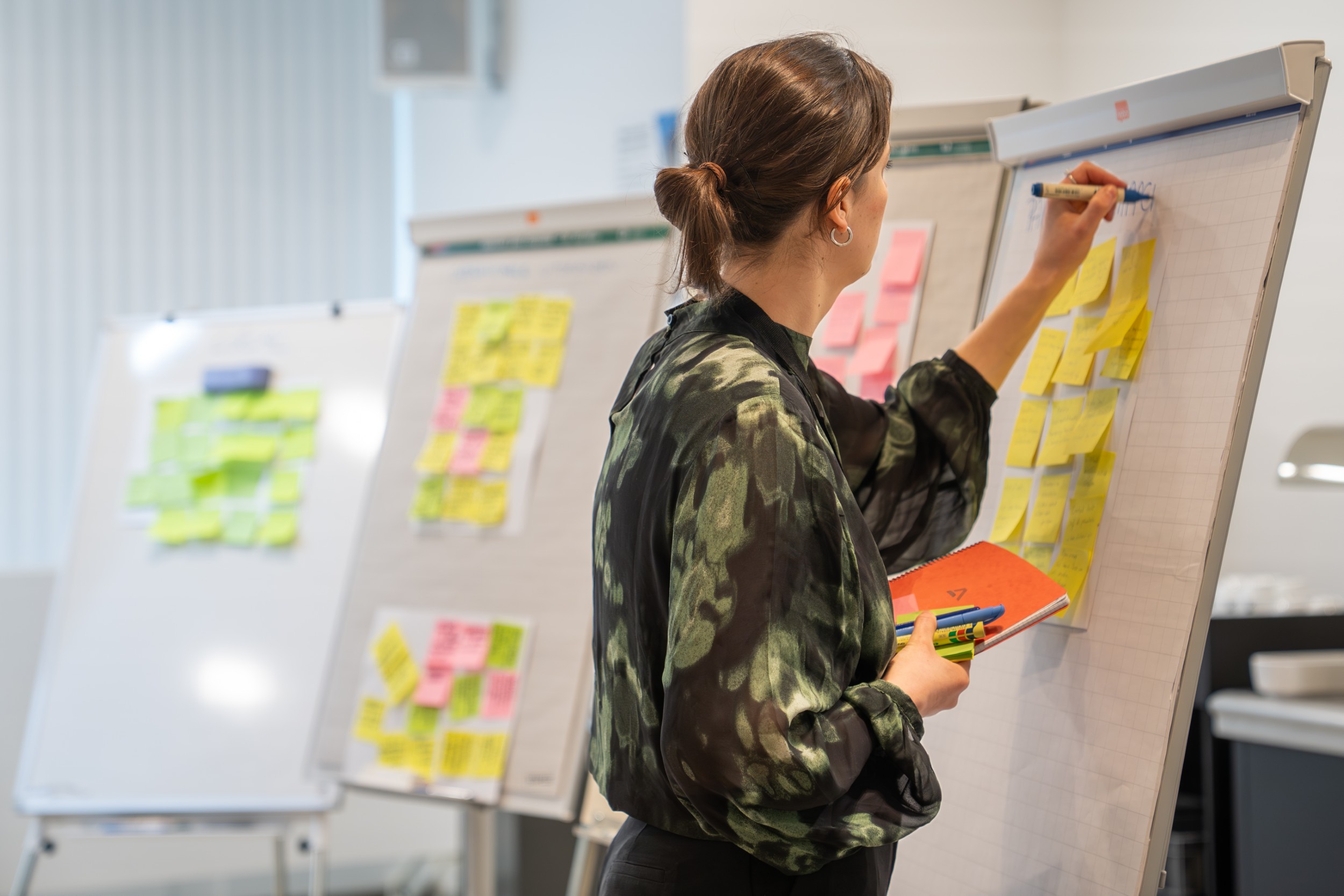
What it takes to make climate resilient innovation stick
Insights from the VIKAP networking event
What does it take to turn promising climate ideas into real impact on the ground?
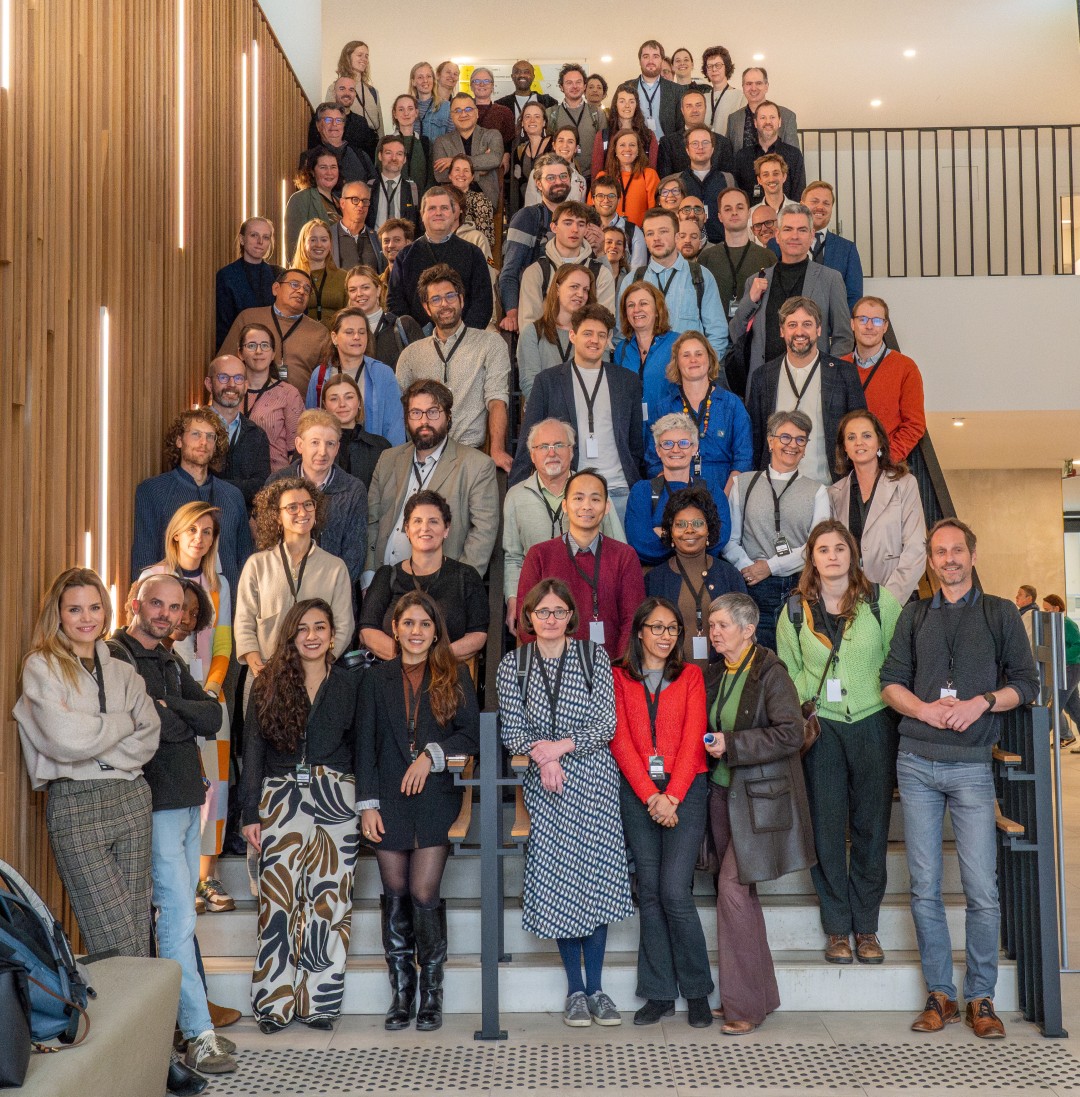
That question brought together more than 70 experts from private sector actors, research organisations, NGOs and public authorities at the Flanders International Climate Action Programme (VIKAP) networking event on 10 March 2026. Participants shared successes and challenges from ongoing international projects and discussed what drives climate initiatives forward - and what holds them back.
One conclusion quickly emerged: successful climate projects depend not only on technology, but also on strong local partnerships, the right financing structures and solutions that genuinely fit the local context.
VIKAP was launched by the Government of Flanders in 2021. The programme strengthens the implementation of climate policy, strategies, regulations and action plans in countries in the Global South by providing financial support for projects that demonstrate technologies, disseminate knowledge and information, and initiate capacity building, both for adaptation and mitigation. It is coordinated by the Environment Department and collaborates with G-STIC for project monitoring and communication.
From global climate policy to project reality
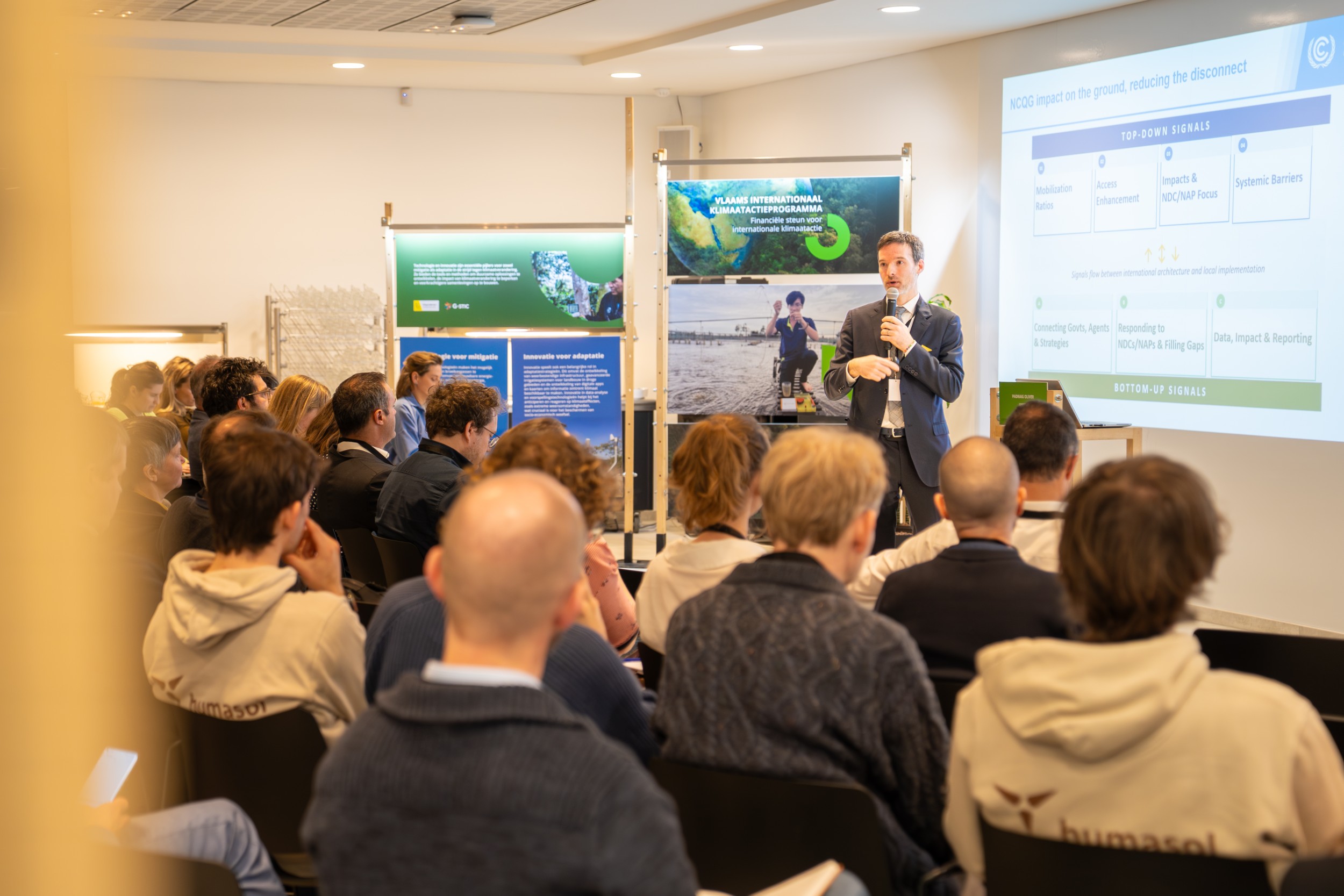
Two keynote speakers set the scene by linking global climate finance to the realities of project development. Padraig Oliver (UNFCCC) outlined how the new Collective Quantified Goal (NCQG) aims to increase financial support for developing countries beyond the Paris Agreement commitments, while Joris Totté (BIO Invest) highlighted the role of the private sector and development finance institutions in scaling climate solutions in the Global South.
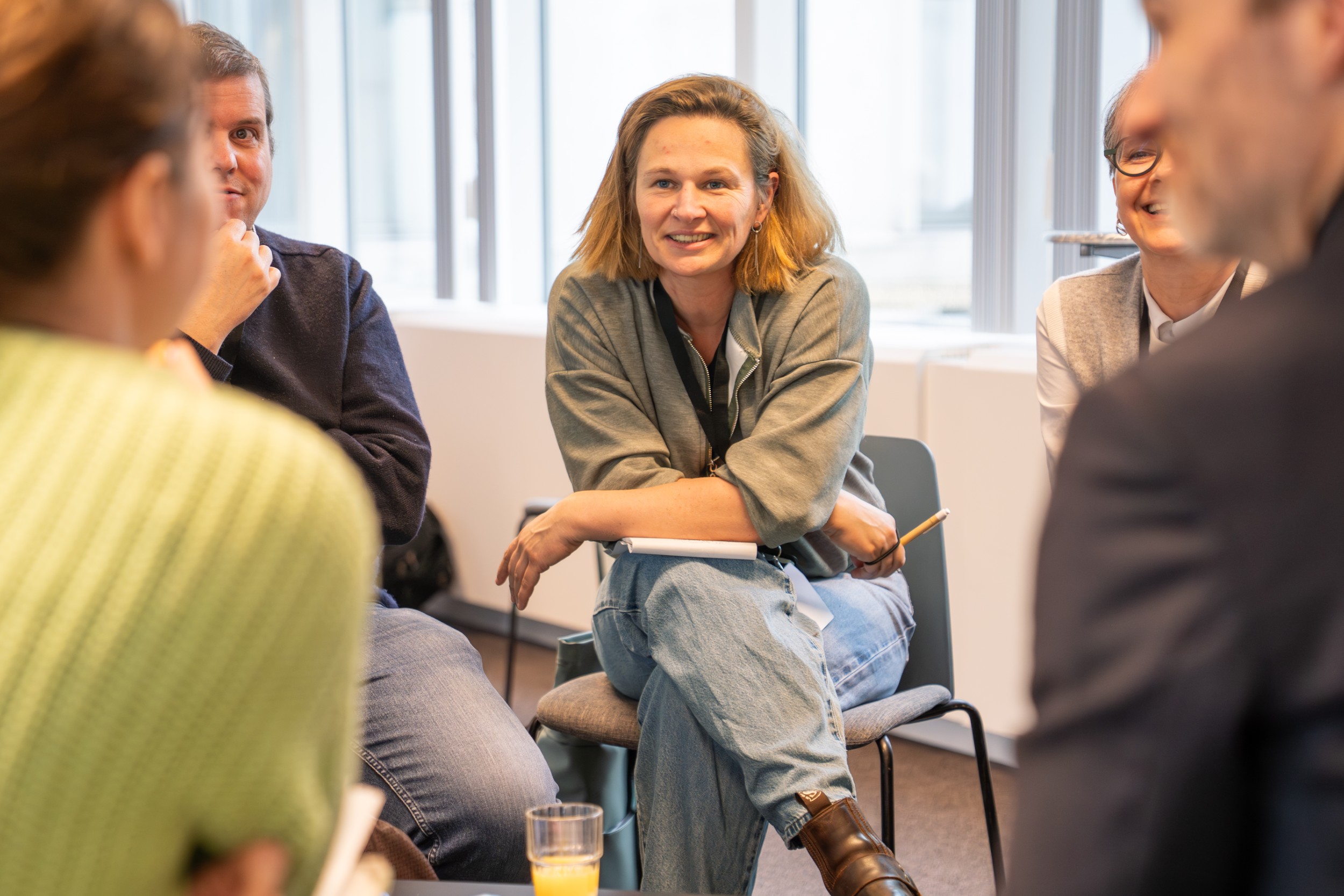
Discussions during different thematic roundtables confirmed several recurring lessonss: climate challenges are interconnected, strong local partnerships are essential, and early-stage financing and derisking remains a major hurdle. Participants also stressed the importance of citizen engagement, transparent collaboration and practical solutions that truly fit the local context.
For a more detailed overview of the discussions, take a look at: FICAP networking event: fostering knowledge exchange and sharing experiences | Flanders.be
Building stronger partnerships for climate action
Beyond the identified challenges, the networking event highlighted something equally important: the value of connecting people working on climate solutions across sectors and organisations. NGOs, companies, research organisations and public authorities all bring different expertise and perspectives. When these actors come together, they can learn from one another’s experiences, identify new partnerships and strengthen the broader innovation ecosystem for climate action. As concessional finance becomes more constrained and expectations for private sector engagement grow, strong cross-sector partnerships are essential to drive climate action together.
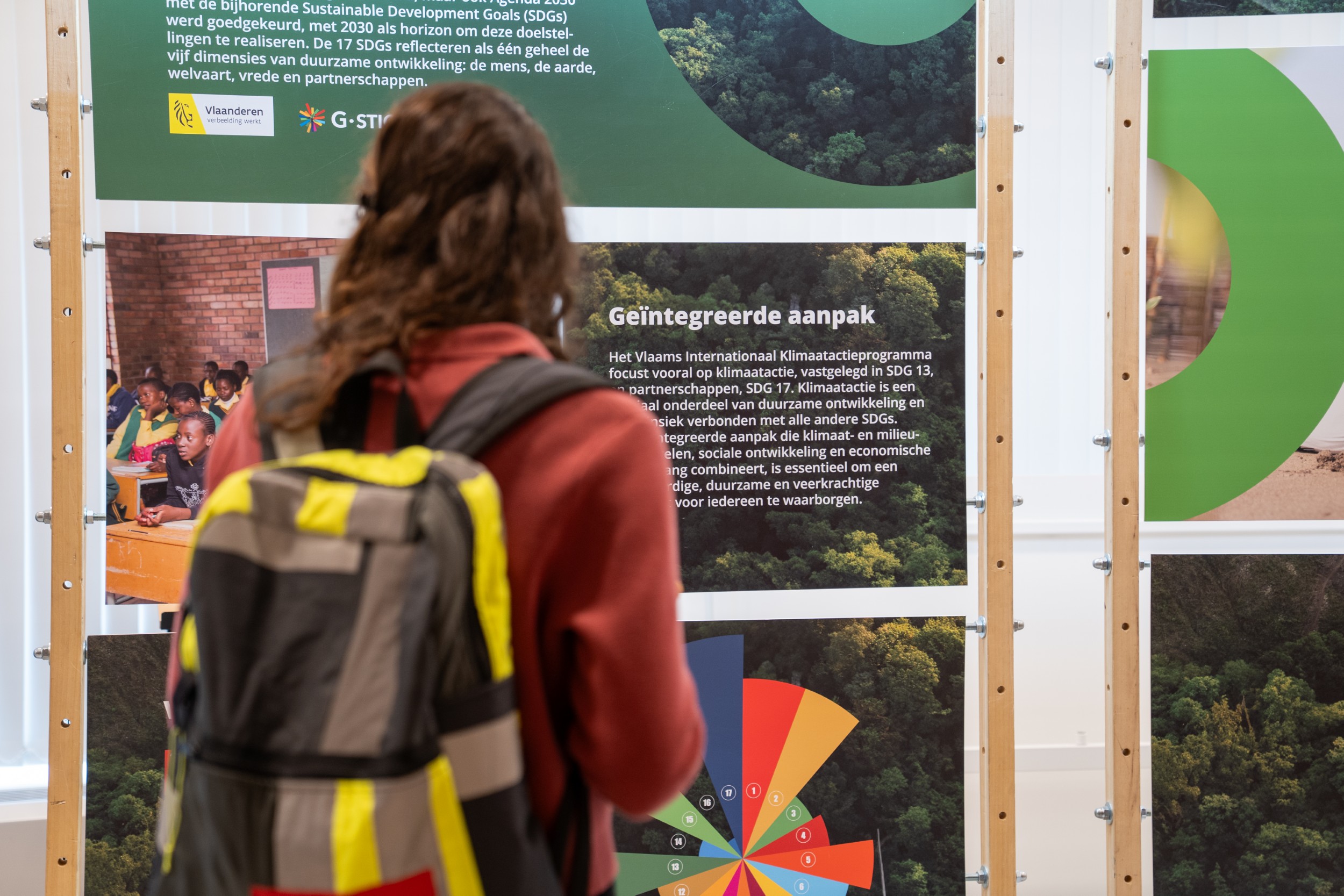
Within the VIKAP programme, this collaborative dynamic is supported by G-STIC, which acts as an international broker. By connecting Flemish innovators with local partners, experts and investors, G-STIC helps promising project consortia take shape and supports the development of scalable, impact-driven climate solutions.
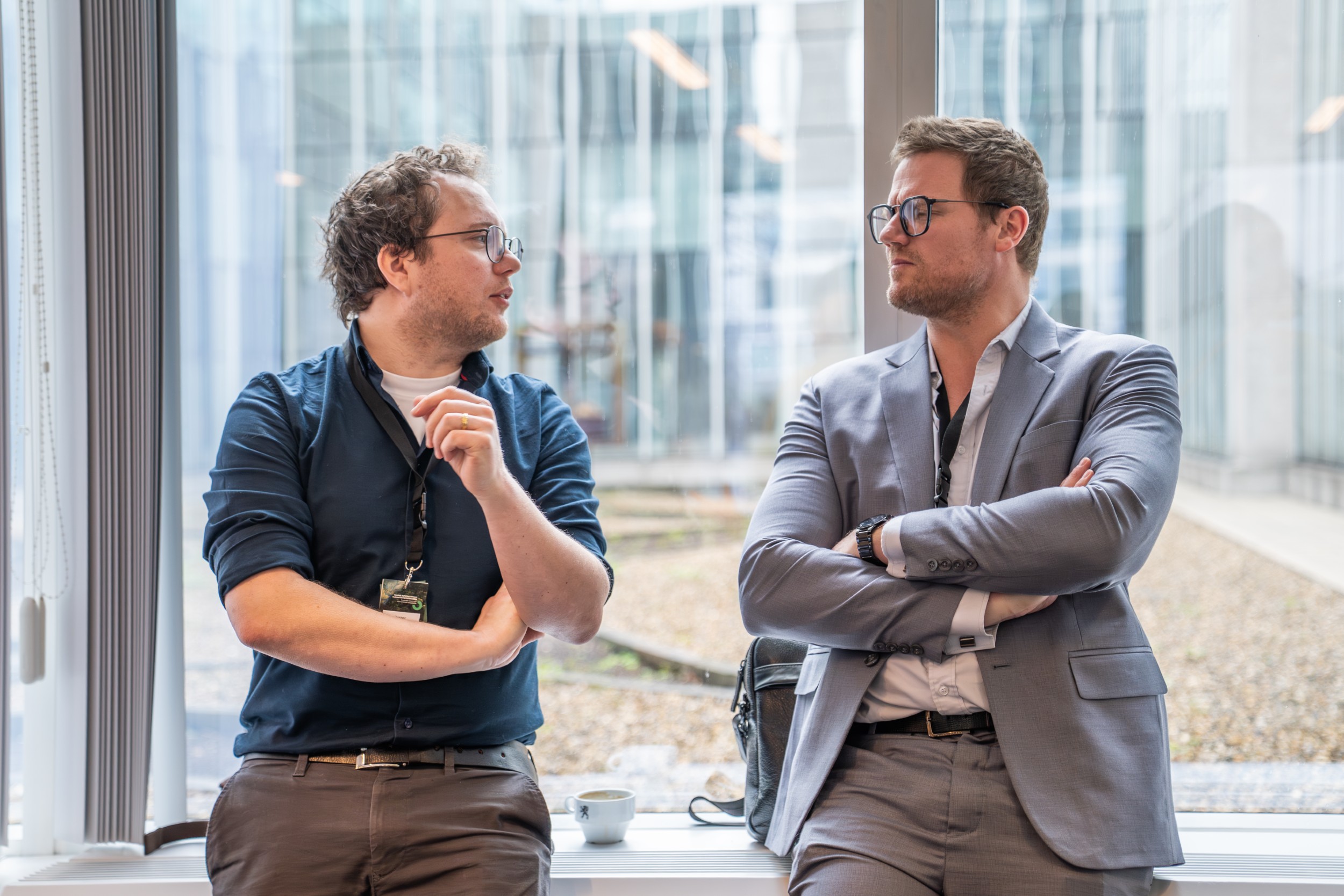
“A growing community is forming around VIKAP – a community of organisations committed to international climate action – where the real value goes beyond individual projects and lies in learning from each other and building shared lessons together. We look forward to building on this momentum at G-STIC Brussels, as the next opportunity to connect, meet and collaborate.”
– Dietrich Van der Weken, General Manager G-STIC
Want to join the conversation?
VIKAP networking events offer a space where organisations working on international climate action can exchange experiences, learn from peers and explore new collaborations.
Interested in joining a future event or staying informed about upcoming initiatives?